
You left your boat in the water this year because the holidays came up too quickly and time ran away, so you figured, “What the hay, I’ll leave it in and pull it in the spring for maintenance.” You left your outboards down, ice eater in place, fuel topped and chemically treated, and you go down to her berth and check her batteries. All good there. But then comes that winter break in the Arctic freeze, it’s cold, but it actually seems a little balmy. Maybe you are kidding yourself, or maybe not. You check the nautical weather reports and it shows a spate of fairly good weather, barely a breeze, the water flat calm, and sunshine every day. Besides, you already know things might be turning since the days are slowly getting warmer. You get tempted.
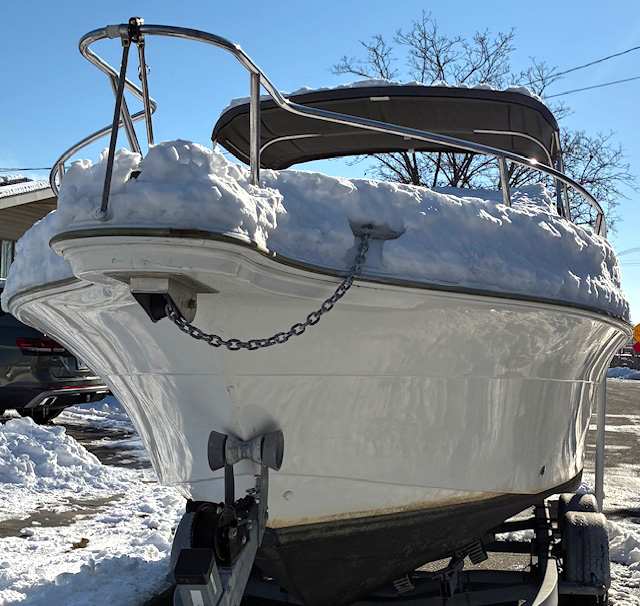
The bays are incredibly beautiful in winter. The whole feel of it is radically different. Most folks don’t give it much of a thought, but some roam about the wetlands and bays in winter on foot and boat and find it incredibly alive and inspiring. The meadows that were emerald green a few months ago are now a tawny ochre color and the buffleheads, brants, and canvasbacks swim about. Shoals of herring ripple the surface as seagulls spin above and a kestrel hawks can be seen hunting the bog. At low tide, seals sun themselves often within easy viewing distance. It’s a grand marine life experience for the boater, but some precautions should be put in place before you head out. Make sure to file a trip plan with someone responsible so that there is an idea of your whereabouts. It’s safer not to “Go it alone.”
Better to take an experienced buddy. Make sure you are properly dressed in layers and have a weatherproof outer with a hood, like a Helly waterproof (therefore windproof) jacket and coveralls. If you can afford it, wear an insulated survival suit that will keep you above water and warm should an abandon boat incident should happen. It rarely does, but it does-Get it. Whatever you choose to wear, make sure everyone aboard has some type of approved flotation on at all times. In winter, there is no credible excuse for not observing this. It is pertinent that it is not one of those flimsy gas inflatable types used during warmer weather. You’ll be in shockingly cold water… You want a substantial life jacket that will keep your body afloat and you head out of the water if you fall in, even if you are unconscious in the water. Besides, these provide another layer of insulation for your upper body. If you don’t want to wear one, please make me the beneficiary of your insurance policy, which would be deeply appreciated. Don’t forget a wool knitted cap and keep insulated waterproof gloves handy. Make sure you have several of those foil heat retention blankets with you. They take up no space, but should you get wet and teeth chattering cold, you’ll be glad you did.
Just as you would carry a cooler full of cold drinks and ice during the summer, you should reverse that for the winter. You should take along a smaller cooler and fill it with insulated thermoses of hot coffee, soup, and easily managed foods for your voyage. I do not recommend alcohol, as the consumption of this will make you actually feel colder.
You must stay very alert in cold weather since oftentimes your vessel will be the only one out on the water in the area you are exploring. Many of the channel markers will have been pulled out in many areas, so you will be on your own. If you are very familiar with the channels and open bays from your summertime experience and have your GPS at your helm and a navigation app on your cell phone, that will help you to stay out of skinny water and sand bars, etc. It would be prudent to check with your boat towing service to cross-check their availability while you are out there. They may take longer to get to you in winter, but they’ll get you out of any groundings or engine malfunctions and tow you home. If you don’t have a service, become a member now. It’s priceless. Make sure your marine radio is working and your cell phones are fully energized. Do not go out of range. These communication items are lifesavers in winter. If you are desperate, call the Coast Guard. They will find a way to get help to you if you are in dire straits, but these days, they are short-staffed and equipped so only contact them if absolutely necessary.
A winter boating adventure should only take place during daylight. Give the sun a little time to warm the air up a bit before leaving to dock. Check for frost on the deck of the boat. I once took a nasty spill sliding on the deck when I climbed over the gunnel. Late morning into the afternoon makes for a nice trip, but you should plan to get back to home base well before the sun begins to set. You DON’T want to be out there stuck or trying to navigate in the dark. You’ll just be putting yourself and your companions in danger. If you decide to take children, which I don’t recommend due to the risk factor, make sure they are not too young and they are properly clothed. Children get antsy fast, complain, and can be a diversion. That may seem like a cruel statement, but frankly, I don’t care.
So, if you decide to go on a winter boating experience, take precautions, make sure your vessel is tip-top mechanically, and take your time. Welcome to the fun of winter boating and the glorious beauty of the winter bays.
Copyright 2025 by Mark C. Nuccio, all rights reserved.
You can reach Mark: marksea46@gmail.com